
 |
| |
 |
| |
 |
| |
 |
| |
 |
| |
 |
| |
 |
| |
 |
| |
 |
| |
 |


 | |  | |  | |  | |  | |  | |  | |  |
All Rights Reserved Copyright©2021 Perry’s Termite Service
Drywood Termites
Perry's Termite Service & Repair

(505) 503-8339




(Click to view larger image)


(3 photos to the left)-
Drywood termite damage
to a bamboo wood floor.
Drywood termite damage
to a bamboo wood floor.


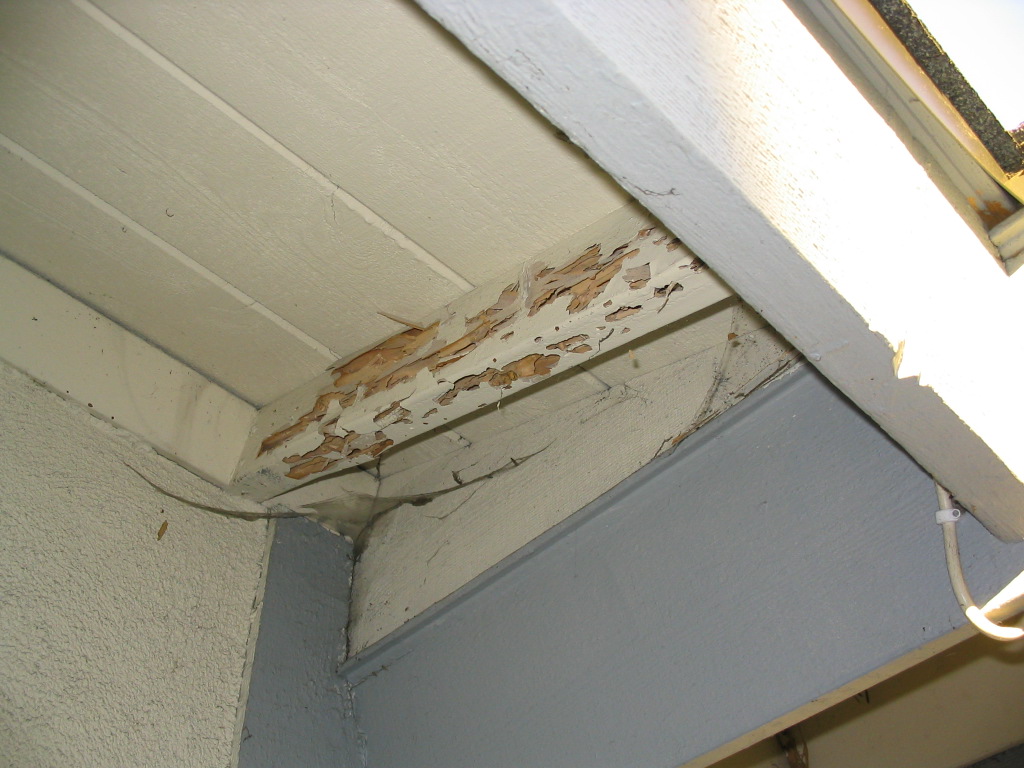
Drywood termite damage to a
rafter tail on a front porch
rafter tail on a front porch
Drywood termite damage to a
rafter, starter board (ship-lap)
and fascia board.
rafter, starter board (ship-lap)
and fascia board.
Drywood termite damage to a rafter
Drywood termite damage to an
attic rafter tie
attic rafter tie
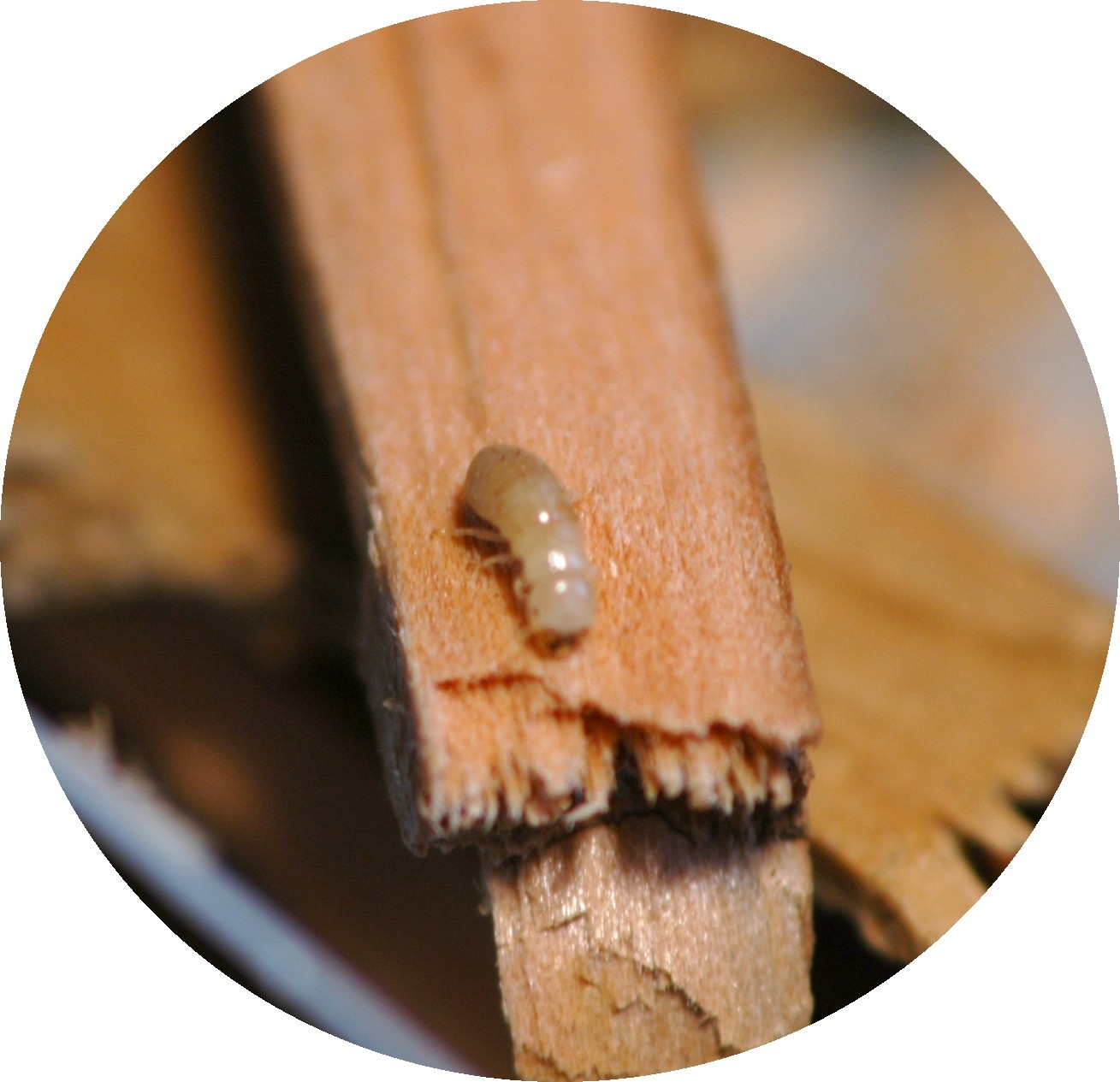
Drywood termite worker.
(perform the damage)
(perform the damage)
Drywood termite pellets.
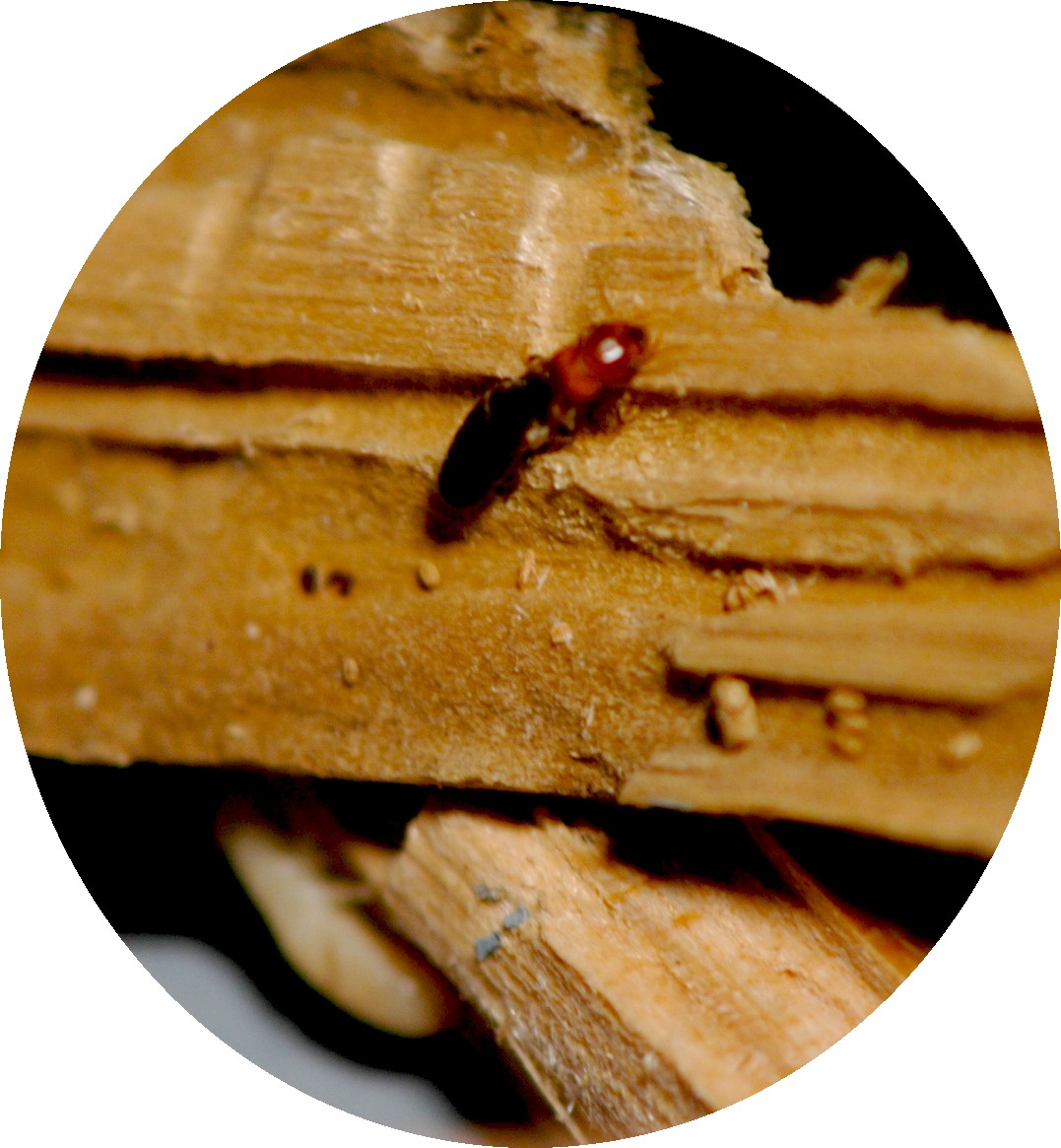
Drywood termite swarmer


Home we had tented

Exterior stairs after we primed and painted.

Exterior stairs we built in Southern California
Drywood termites-
Drywood termites can be found in Albuquerque, Placitas, Corrales, communities along the Rio Grande and are common in
Southwestern New Mexico; particularly in the Silver City area. Drywood termites, unlike Subterranean termites, remain entirely above ground and
do not need contact with the soil in order to survive. Drywood termites have much lower moisture requirements than do Subterranean termites and
gain the moisture requirements from the wood that they are ingesting. Colonies of Drywood termites are much smaller than Subterranean termites.
An average Drywood termite colony can have as few as 20-50 members after the first year of infesting new wood. Well-established colonies can
have numbers in the thousands, whereas an average Subterranean termite colony is much larger with numbers near, or over, one million
members. Consequently, the damage created by Drywood termites (early on) can be rather minimal. Drywood termites are much larger (in size)
than Subterranean termites. Drywood termites will typically swarm on sunny days in the fall around October or November. Subterranean termite
swarms are usually in the spring and in particular, after a rain. The distinguishing signs (of a drywood termite infestation) are small piles or
sprinkles of tiny light-brown pellets (roughly 1/25 of an inch in length with rounded ends and 6 depressed sides) or the presence of shed wings on
the floor near doors and windows or in the window sill itself. Note: anobiid wood boring beetles will also eject pellets from wood that they have fed
upon so make certain that the pellets are checked by a professional who can make the distinction. During the Christmas holiday season,
homeowners typically happen upon Drywood termite damage while putting up Christmas lights; when stapling the lights to the fascia boards. The
staple penetrates with no resistance; indicating termites have hollowed-out the board (just behind the paint). Infestations can be found on attic
rafters, rafter ties, top-plates, ridge beams, cripple studs, exterior fascia boards, rafter tails, eaves, starter boards (ship-lap), patio supporting
posts, headers, exterior window/door trimming and vigas/latillas. Infestations can also be found in crawl-spaces beneath a structure in the rim joists,
floor joists and mud sill plates (if not pressure-treated). Termites gain entrance into the crawlspace from the ventilation points. In attic infestations,
their entrance is normally the gable vents, roof vents, soffit vents or pipe penetrations. Drywood termite infestations are particularly bad in the
attics of California homes that have wood shake shingles covering the roof.
Winged adults from a Drywood termite colony are approximately 1/2 inch long and are dark brown with a reddish-brown head and grayish dark
colored wings. Treatment types can vary for Drywood termites depending upon the degree of infestation and are discussed in the treatments
section of this site.
There is another species of Drywood termite known as the light western drywood termite and it is found from the desert areas of southern N.M.
Arizona and into California. This termite can be found in the drier, hotter portions of the desert. We have not stumbled upon this species very
often, therefore, we will not address this termite in detail.
Treatment measures for Drywood termites can vary depending upon the degree of infestation. Structures that are heavily infested or infestations
that have reached inaccessible portions of the structure should be Fumigated (tented). The gas used in fumigation has the ability to permeate the
entire structure and kill all infestations (accessible or not).
Localized treatment measures are common for the control of Drywood termites and our localized treatments consist of direct injection into the
gallery utilizing a residual pesticide. The pesticide is introduced through several small holes (1/16 inch) which are drilled into the wood. The holes
are then sealed.
We offer 90-day and 1-3 year retreat guarantees on all of our Drywood termite service plans (call our office for details).
Drywood termites can be found in Albuquerque, Placitas, Corrales, communities along the Rio Grande and are common in
Southwestern New Mexico; particularly in the Silver City area. Drywood termites, unlike Subterranean termites, remain entirely above ground and
do not need contact with the soil in order to survive. Drywood termites have much lower moisture requirements than do Subterranean termites and
gain the moisture requirements from the wood that they are ingesting. Colonies of Drywood termites are much smaller than Subterranean termites.
An average Drywood termite colony can have as few as 20-50 members after the first year of infesting new wood. Well-established colonies can
have numbers in the thousands, whereas an average Subterranean termite colony is much larger with numbers near, or over, one million
members. Consequently, the damage created by Drywood termites (early on) can be rather minimal. Drywood termites are much larger (in size)
than Subterranean termites. Drywood termites will typically swarm on sunny days in the fall around October or November. Subterranean termite
swarms are usually in the spring and in particular, after a rain. The distinguishing signs (of a drywood termite infestation) are small piles or
sprinkles of tiny light-brown pellets (roughly 1/25 of an inch in length with rounded ends and 6 depressed sides) or the presence of shed wings on
the floor near doors and windows or in the window sill itself. Note: anobiid wood boring beetles will also eject pellets from wood that they have fed
upon so make certain that the pellets are checked by a professional who can make the distinction. During the Christmas holiday season,
homeowners typically happen upon Drywood termite damage while putting up Christmas lights; when stapling the lights to the fascia boards. The
staple penetrates with no resistance; indicating termites have hollowed-out the board (just behind the paint). Infestations can be found on attic
rafters, rafter ties, top-plates, ridge beams, cripple studs, exterior fascia boards, rafter tails, eaves, starter boards (ship-lap), patio supporting
posts, headers, exterior window/door trimming and vigas/latillas. Infestations can also be found in crawl-spaces beneath a structure in the rim joists,
floor joists and mud sill plates (if not pressure-treated). Termites gain entrance into the crawlspace from the ventilation points. In attic infestations,
their entrance is normally the gable vents, roof vents, soffit vents or pipe penetrations. Drywood termite infestations are particularly bad in the
attics of California homes that have wood shake shingles covering the roof.
Winged adults from a Drywood termite colony are approximately 1/2 inch long and are dark brown with a reddish-brown head and grayish dark
colored wings. Treatment types can vary for Drywood termites depending upon the degree of infestation and are discussed in the treatments
section of this site.
There is another species of Drywood termite known as the light western drywood termite and it is found from the desert areas of southern N.M.
Arizona and into California. This termite can be found in the drier, hotter portions of the desert. We have not stumbled upon this species very
often, therefore, we will not address this termite in detail.
Treatment measures for Drywood termites can vary depending upon the degree of infestation. Structures that are heavily infested or infestations
that have reached inaccessible portions of the structure should be Fumigated (tented). The gas used in fumigation has the ability to permeate the
entire structure and kill all infestations (accessible or not).
Localized treatment measures are common for the control of Drywood termites and our localized treatments consist of direct injection into the
gallery utilizing a residual pesticide. The pesticide is introduced through several small holes (1/16 inch) which are drilled into the wood. The holes
are then sealed.
We offer 90-day and 1-3 year retreat guarantees on all of our Drywood termite service plans (call our office for details).
Service to: Albuquerque, Rio Rancho,
Placitas, Los Lunas, Belen, Paako, and
East Mountains
Placitas, Los Lunas, Belen, Paako, and
East Mountains
| ***We use Orange Oil and Timbor for Drywood termite control*** |
Home we had tented (in California) for drywood termites.